Choosing between Peninsula communities is often less about distance on a map and more about how you want your days to feel. If you are deciding where to buy, sell, or hold property, small differences in errands, commute options, housing mix, and access to parks can shape everyday life in a big way. This guide compares Burlingame, Hillsborough, San Mateo, and San Carlos through that practical lens so you can better match a community to your goals. Let’s dive in.
Peninsula living at a glance
Across these four communities, there is a clear lifestyle spectrum. Burlingame and San Mateo offer the most mixed-use, transit-connected daily rhythm, while San Carlos blends a traditional downtown with strong access to trails and hillside recreation. Hillsborough stands apart as the most residential-only setting, with day-to-day shopping and dining typically happening in nearby cities.
That distinction matters whether you are looking for a walkable routine, a quieter residential setting, or a property that fits a long-term ownership strategy. For buyers, it helps narrow the search. For sellers and owners, it helps frame how your property fits the local market.
Burlingame daily life
Burlingame commute options
Burlingame offers one of the most layered transportation setups in this group. The city lists SamTrans, Caltrain, BART connections, bike routes, and shuttle or trolley options as part of its public transportation network. Its shuttle service also connects Millbrae BART and Caltrain to Burlingame business areas, which adds flexibility for daily commuting and local access.
If you want options beyond driving, Burlingame stands out. That can make a difference if your routine includes rail travel, hybrid commuting, or frequent trips between work, errands, and dining.
Burlingame errands and downtown feel
Burlingame has several distinct commercial areas rather than just one core. Downtown Burlingame Avenue is the city’s liveliest shopping corridor, while Broadway has a quieter, smaller-scale mom-and-pop feel. Burlingame Plaza serves neighborhood errands, and the Bayfront hotel corridor adds another layer of commercial activity.
In practical terms, that means you can experience Burlingame in different ways depending on where you live. Some areas feel more urban and active, while others feel more residential with convenient access to retail nearby.
Burlingame parks and housing mix
Washington Park is the city’s oldest park and remains a year-round recreation hub. Burlingame also includes open-space assets such as Mills Canyon Wildlife Area and bayfront areas connected to lagoons, marshes, and trails.
Its housing stock helps explain the city’s varied feel. In 2020, Burlingame’s housing mix was 48 percent single-family detached, 4 percent single-family attached, 7 percent small multifamily, and 41 percent medium or large multifamily. That balance supports both neighborhood-scale residential living and more apartment-oriented living near downtown and rail corridors.
Hillsborough daily life
Hillsborough residential character
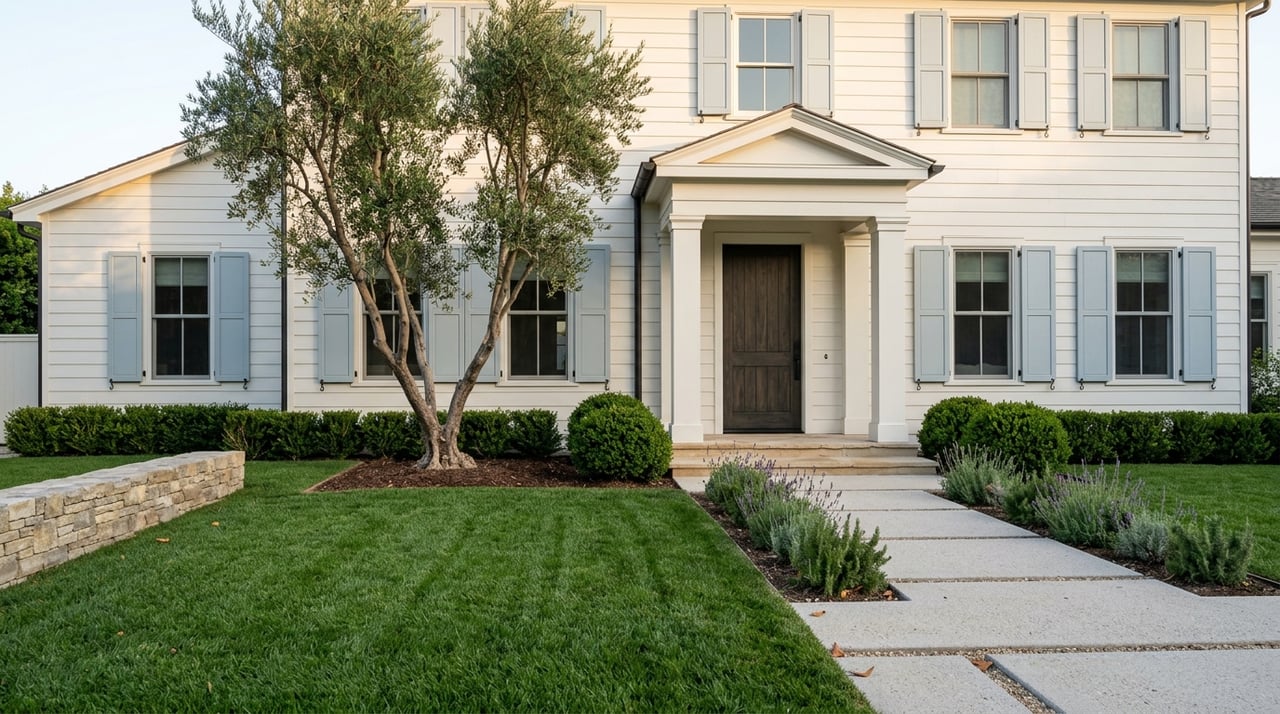
Hillsborough is the clearest choice if you want a primarily residential setting. The town describes itself as a residential community located west of Highway 101 and El Camino Real and east of Interstate 280. Its housing and land use materials state that non-residential uses are limited to public facilities, parks and open space, schools, and a small number of recreational club properties.
That creates a different daily rhythm from the other Peninsula communities in this comparison. You are not choosing Hillsborough for an in-town retail district or a mixed-use downtown. You are choosing it for a low-density residential environment.
Hillsborough errands and commute pattern
Because Hillsborough has no commercial or industrial uses, daily errands, dining, and casual shopping generally happen in neighboring cities. That often means a more car-oriented routine for groceries, restaurants, and services.
For some buyers, that tradeoff is exactly the appeal. If you value a setting with limited commercial activity inside town boundaries, Hillsborough offers a distinct version of Peninsula living.
Hillsborough parks and housing stock
Hillsborough’s park system is more focused on pocket parks and open space. The town highlights Vista Park, Centennial Park, and Crossroads Park, and it also notes that it has 259 acres of open space that cannot be developed or sold and are not open to the public.
Its housing profile is also highly consistent. In 2020, 96 percent of housing units were detached single-family homes, 3 percent were attached single-family, 0.7 percent were in 2 to 4 unit buildings, and 0 percent were in 5 or more unit multifamily buildings. That makes Hillsborough the most single-family-oriented community of the four.
San Mateo daily life
San Mateo downtown access
San Mateo offers one of the most active downtown environments in this group. Caltrain serves downtown San Mateo, and city library information lists SamTrans routes 250, 252, 295, and ECR in the downtown area. Caltrain also describes downtown as a busy center with a pedestrian-only stretch of B Street and short walks to Central Park and the library.
If you want a community where transit, civic uses, parks, restaurants, and shopping all connect in a compact area, San Mateo is a strong match. The downtown structure supports a more walkable everyday routine than many suburban settings.
San Mateo errands and urban mix
San Mateo’s Downtown Area Plan describes downtown as the historic center of the city. The area around B Street, 3rd Avenue, and Central Park combines shops, restaurants, transit, and civic uses in one core.
That broad mix tends to support convenience and activity throughout the week. For buyers, it can mean more choices in how close you want to live to a downtown environment. For owners, it helps explain why different parts of San Mateo can appeal to very different lifestyles.
San Mateo parks and housing options
San Mateo has a broad parks system. City parks staff report about 200 acres of open space, more than 13 neighborhood parks, 9 larger community parks, 6 recreation centers, and the Shoreline regional park system. Central Park is the 16.3-acre signature downtown park, while Seal Point Park offers Bay Trail access, walking and cycling paths, bird watching, and a 3-acre dog park.
The housing stock is also one of the most varied in this comparison. A city housing study reported that in 2006 the housing mix was 54.3 percent single-family, 7.8 percent 2 to 4 unit, and 37.8 percent 5 or more unit housing. City planning work continues to reference both single-family preservation and multifamily design standards, reinforcing that San Mateo supports a wide range of built forms.
San Carlos daily life
San Carlos transit and access
San Carlos sits in an appealing middle ground. City planning materials note that San Carlos has a downtown Caltrain station, the SamTrans San Carlos Transit Center, and strong Highway 101 access.
That combination gives you more than one way to move through the Peninsula. If you want a smaller-town feel without giving up practical regional access, San Carlos often enters the conversation for that reason.
San Carlos downtown feel
San Carlos defines downtown around Laurel Street from Holly to Arroyo. The city describes it as a pleasant pedestrian environment with active storefronts, mixed-use and residential buildings, and a historic core centered on Laurel Street and San Carlos Avenue.
Planning materials also describe a walkable downtown with local-serving retail, grocery options, and restaurants. That makes San Carlos especially appealing if you want a main-street environment that feels active but more compact than a larger downtown.
San Carlos trails and housing profile
San Carlos has a notably trail-oriented outdoor identity. The city says it maintains 8.7 miles of recreational trails, and Big Canyon Park and Eaton Park together provide more than 73 acres of natural open space. The city’s general plan draft also states that about 90 percent of existing residential parcels are within half a mile of a park or recreational facility.
Its housing stock remains mostly single-family, but it is more mixed than Hillsborough. In 2020, 72 percent of units were single-family attached or detached and 28 percent were multifamily. The city also reports that much of the housing stock was built between 1940 and 1979, which contributes to its established neighborhood character.
Which Peninsula community fits you?
Best for mixed-use convenience
If your priority is a day-to-day routine with multiple transportation options, nearby shopping, and a broader housing mix, Burlingame and San Mateo stand out. Burlingame offers layered commute choices and several commercial districts, while San Mateo delivers the largest downtown framework of the four.
Both can work well if you value flexibility in how you move through the day. The difference often comes down to whether you prefer Burlingame’s multiple commercial pockets or San Mateo’s larger, more centralized downtown environment.
Best for residential quiet
If you are looking for the most residential-only setting in this comparison, Hillsborough is the clear outlier. Its built form and land use pattern are centered on detached single-family homes, parks, and civic uses rather than local retail and mixed-use activity.
That can be a strong fit if you want a quieter daily setting and are comfortable driving to nearby cities for most errands and dining. It is a different lifestyle choice, not simply a smaller version of the others.
Best for downtown plus trails
If you want a village-like downtown feel with meaningful outdoor access, San Carlos has a compelling balance. Its Laurel Street core supports a walkable routine, while its trail network and natural open space give it a stronger hills-and-trails identity than the more urban downtowns in this group.
For many buyers, that creates a practical middle path. You can have a recognizable main street and still stay closely connected to recreation.
What this means for buyers and owners
When you compare Peninsula communities, the most useful question is often not which town is best. It is which town best supports your everyday routine and long-term property goals. Commute patterns, commercial access, park systems, and housing mix all influence how a place feels once the move is complete.
That is also why local positioning matters when you are selling or evaluating an asset. A home in Hillsborough should be framed differently from a condo near downtown San Mateo or a multifamily property in Burlingame. The lifestyle story behind the address is part of the value.
If you are weighing a move, planning a sale, or looking at a property from an ownership and investment perspective, working with a brokerage that understands both market dynamics and day-to-day usability can help you make a cleaner decision. To talk through your options across the Peninsula, connect with Breakwater Properties.
FAQs
How does everyday living in Burlingame compare with San Mateo?
- Burlingame offers multiple commercial areas and layered transit options, while San Mateo has a larger downtown core that combines shops, restaurants, civic uses, transit, and Central Park in one concentrated area.
What is daily life like in Hillsborough compared with other Peninsula communities?
- Hillsborough is primarily residential, with no commercial or industrial uses, so most errands, dining, and shopping typically happen in neighboring cities.
Which Peninsula community offers the most trail access?
- San Carlos has the strongest trail-focused profile in this comparison, with 8.7 miles of recreational trails and more than 73 acres of natural open space across Big Canyon Park and Eaton Park.
Which Peninsula community has the widest housing mix?
- San Mateo shows the broadest blend of housing forms in the research, with a mix of single-family homes, smaller multifamily buildings, and larger multifamily housing.
Is Burlingame a good fit if you want transit options on the Peninsula?
- Burlingame stands out for daily access because the city lists SamTrans, Caltrain, BART connections, bike routes, and shuttle or trolley options within its transportation network.