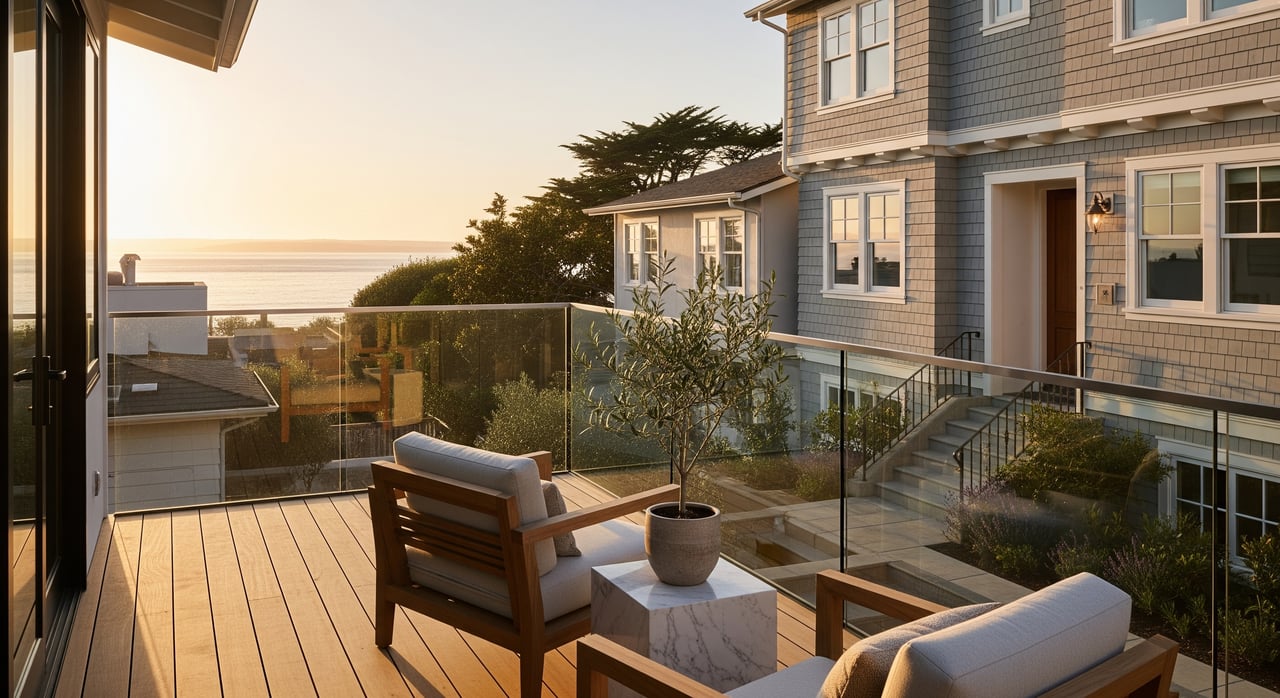
Picture yourself walking to the beach and dinner in Capitola Village, then locking up and heading home without a long to-do list. If that is your goal, you are likely weighing a condo against a townhome. Both can work well near the ocean, but the ownership, monthly costs, and maintenance look different in a coastal setting. In this guide, you will learn what you actually own, how HOA dues work, what coastal wear means for your budget, and how to match the right property type to your lifestyle. Let’s dive in.
Capitola context: walkability and salt air
Capitola Village is compact and highly walkable. Shops, restaurants, and the beach are within short blocks, which is a major draw for downsizers and second-home buyers. This convenience often commands a premium and inventory can be tight, especially for smaller condos and townhome-style units near the Esplanade and Soquel Creek.
The same location that makes Village life appealing also brings coastal exposure. Salt spray, wind, and storm surge can age exterior materials faster than inland areas. That means you should factor in more frequent painting, balcony and railing care, and roof attention. Proximity to the water also influences insurance and HOA costs.
Ownership basics: condo vs townhome
What you own
- Condo: You own the interior of your unit. Common areas and the building envelope are shared through the HOA. The HOA usually maintains the roof, siding, and shared systems.
- Townhome: You may own the unit and the land under it if it is fee simple, or it may be a condo-style townhome where the HOA still controls some exteriors. Always confirm the legal form in the CC&Rs because it changes your responsibilities.
Who handles maintenance
- Condos: The HOA typically handles exterior maintenance and insures the building shell. You pay for that through monthly dues and any special assessments.
- Townhomes: If fee simple, you handle your own exterior. Monthly HOA dues may be lower, but you accept the cost and scheduling of roof, siding, and exterior repairs.
Control and renovations
- Condos: HOA approval is often required for exterior changes and some interior work that affects systems or structure. Expect more rules and coordination.
- Townhomes: You generally have more control over exterior and landscaping changes if fee simple, subject to local permits and any HOA design guidelines.
Parking and storage
- Condos near the Village can have limited assigned spaces or shared lots, and some have no private parking. Storage may be tight.
- Townhomes more often include a private garage or on-lot parking, which helps with beach gear and bikes.
HOA dues and your risk
What drives dues
Monthly dues reflect the building’s age and condition, the services included, and amenities. Older coastal buildings can need more capital work. Pools, elevators, and on-site services raise dues. The HOA’s insurance obligations and reserve funding levels also matter.
If a building near the ocean has very low dues, that can be a signal to dig deeper. In some cases, low dues can mean deferred maintenance that leads to larger assessments later.
Documents to review
Ask for the full HOA packet before you write an offer. Review the current budget, the most recent reserve study with its funded percentage, and board meeting minutes from the last 12 to 24 months. Read CC&Rs, bylaws, rental rules, pet policies, and parking rules. Confirm the master insurance policy coverage, including whether it is walls-in or bare walls.
Look for any litigation, past assessments, or upcoming capital projects. In coastal buildings, pay special attention to the schedule for exterior painting, balcony and railing maintenance, waterproofing, and roof replacement.
Red flags and signals
- Repeated special assessments or large reserve draws without a long-term plan.
- Vague or missing engineering reports in ocean-exposed structures.
- A master policy that leaves gaps for interior finishes or common elements you assumed were covered.
- Rental rules that do not match your plan. Some buildings restrict short-term rentals and the city may have rules of its own.
Coastal hazards and insurance
Key risks in Capitola
Properties close to the ocean, Esplanade, or river mouth can face flooding during large storms and king tides. Salt spray and wind can corrode fasteners and railings and add wear to roofs and windows. Over long time horizons, sea-level rise may influence planning and insurability.
How risks hit each type
- Condos: Structural wear is a shared responsibility. If balconies or the building envelope need major repairs, every owner pays through assessments. Well-run HOAs plan for this in reserves.
- Townhomes: You control the work and the timing, but you also pay directly for exterior protection and repairs. Costs can be significant if storms or corrosion drive issues.
Insurance and lending
Some parcels lie within FEMA flood zones and a lender may require flood insurance. For condos, the HOA’s master policy typically covers the building shell. You would then carry an HO-6 policy for interiors and personal property. Confirm what the master policy covers and any gaps.
Coastal properties can see higher premiums or more limited choices for flood, wind, and earthquake coverage. Get quotes early from insurers familiar with Santa Cruz County. Lenders may have additional requirements in high-hazard areas.
Due diligence checklist
Before you write an offer
- HOA packet: budget, reserve study, last 12 to 24 months of minutes, CC&Rs, rules, and insurance declarations.
- Seller disclosures and any local hazard disclosure forms.
- Elevation certificate for properties in or near mapped flood zones.
- History of repairs for water intrusion, balconies, railings, roofs, and corrosion.
- Rental rules and any short-term rental history or permits if you plan to rent.
Inspections to schedule
- General home inspection.
- Building envelope review for stucco, seals, flashing, and balconies.
- Balcony, deck, and railing inspection.
- Roof inspection with attention to fasteners and signs of leakage.
- Corrosion check for HVAC and metal components by a qualified contractor.
- Pest and termite inspection.
- For homes near water: elevation review and flood mitigation assessment.
- For condos: request recent engineering reports or capital plans from the HOA.
Questions for the HOA or seller
- Any special assessments or large reserve draws in the last 5 to 10 years? Any planned projects?
- What is the current funded percentage in the reserve study?
- Known issues tied to salt exposure, water intrusion, or concrete spalling?
- What does the master insurance policy cover and have premiums changed recently?
- Are short-term rentals allowed and are there city rules that limit them?
- Who is responsible for exterior painting, roofing, and balconies?
- Any recent water intrusion claims or mold remediation?
Decision matrix: match goals to property
Use these quick rules to narrow your search.
- Low maintenance and easy lock-and-leave: Favor a condo with a well-funded HOA.
- Private outdoor space and garage priority: Favor a fee-simple townhome.
- Must have Village walkability and views: Both can work, but expect a premium near the Esplanade.
- Short-term rental income is important: Verify building and city rules first. Condos often have stricter limits.
- Prefer lower monthly dues but can handle occasional big projects: Townhome may fit.
- Low tolerance for surprise assessments: Vet the condo’s reserve study and meeting minutes before you buy.
Cost planning: who pays for what
- Condo monthly costs: HOA dues that often include exterior maintenance, common utilities, and the master policy for the building shell. You carry an HO-6 policy for interiors and personal property. Expect possible assessments for major exterior projects.
- Townhome monthly costs: Lower HOA dues if the HOA maintains only common areas. You carry your own dwelling policy and pay directly for exterior upkeep, roofing, and yard care.
Build a simple annual budget. Include HOA dues, insurance, a maintenance reserve, and any planned upgrades. If you are buying near the water, increase your exterior maintenance allowance. This reduces surprises and keeps your place guest-ready.
Example buyer scenarios
- Downsizer prioritizing walkability: You want minimal maintenance and easy access to the beach and dining. A condo in or near the Village with solid reserves and clear maintenance schedules can deliver a true lock-and-leave experience.
- Second-home buyer who brings surf gear and bikes: You value storage and a private garage, plus a small patio for rinsing gear. A fee-simple townhome slightly outside the most crowded blocks can offer more space while still keeping you close to the ocean.
How to choose with confidence
Start with the legal form of ownership. Confirm whether a “townhome” is fee simple or a condo-style townhome because that detail sets your maintenance and insurance path. Then review HOA reserves, planned projects, and insurance coverage. Finally, match the property to your daily life at the beach: parking, storage, balcony use, and how often you plan to visit.
If you build your shortlist with these filters, you will avoid most pitfalls and focus on homes that actually fit your budget and lifestyle in Capitola.
Work with a local, accountable advisor
Choosing between a condo and a townhome near the ocean calls for practical, hands-on guidance. A boutique, founder-led team can help you verify ownership details, read HOA budgets, line up inspections, and get insurance quotes before you commit. If you are considering a second home, you can also discuss leasing and property management options to keep the asset performing and well cared for.
If you want clear, data-backed advice and one accountable partner from offer to operations, connect with Breakwater Properties. We will help you compare options in and around Capitola Village and move forward with confidence.
FAQs
What is the key difference between Capitola condos and townhomes?
- Condos usually include shared exterior maintenance through the HOA, while fee-simple townhomes make you responsible for the exterior and roof.
How should I estimate monthly costs for each option?
- Add HOA dues, insurance, and a maintenance reserve; condos may have higher dues, while townhomes need more set-asides for exterior work.
How does coastal exposure change maintenance near the Village?
- Salt spray and wind increase wear on railings, fasteners, roofs, and windows, which can shorten maintenance cycles and raise costs.
What should I ask about flood zones and insurance in Capitola?
- Confirm FEMA flood zone status, whether flood insurance is required, master policy coverage for condos, and any recent premium changes.
Are short-term rentals allowed in Capitola condos and townhomes?
- Rules vary by building and the city; verify HOA restrictions and local ordinances before you rely on rental income.
How can I judge an HOA’s financial health for a coastal building?
- Review the reserve study funded percentage, meeting minutes, planned projects, and the history of special assessments or litigation.
Do townhomes near Capitola Village always come with a garage?
- Not always; many do, but confirm parking type, storage options, and any HOA rules that affect use or modifications.