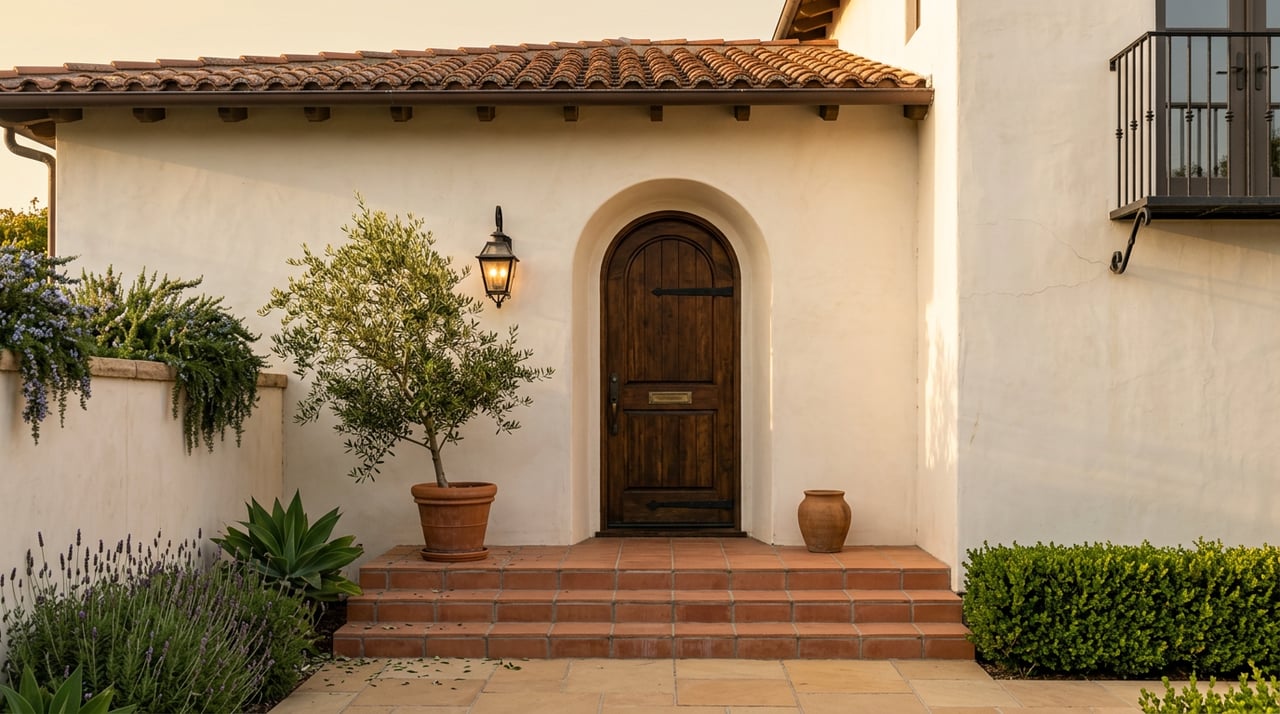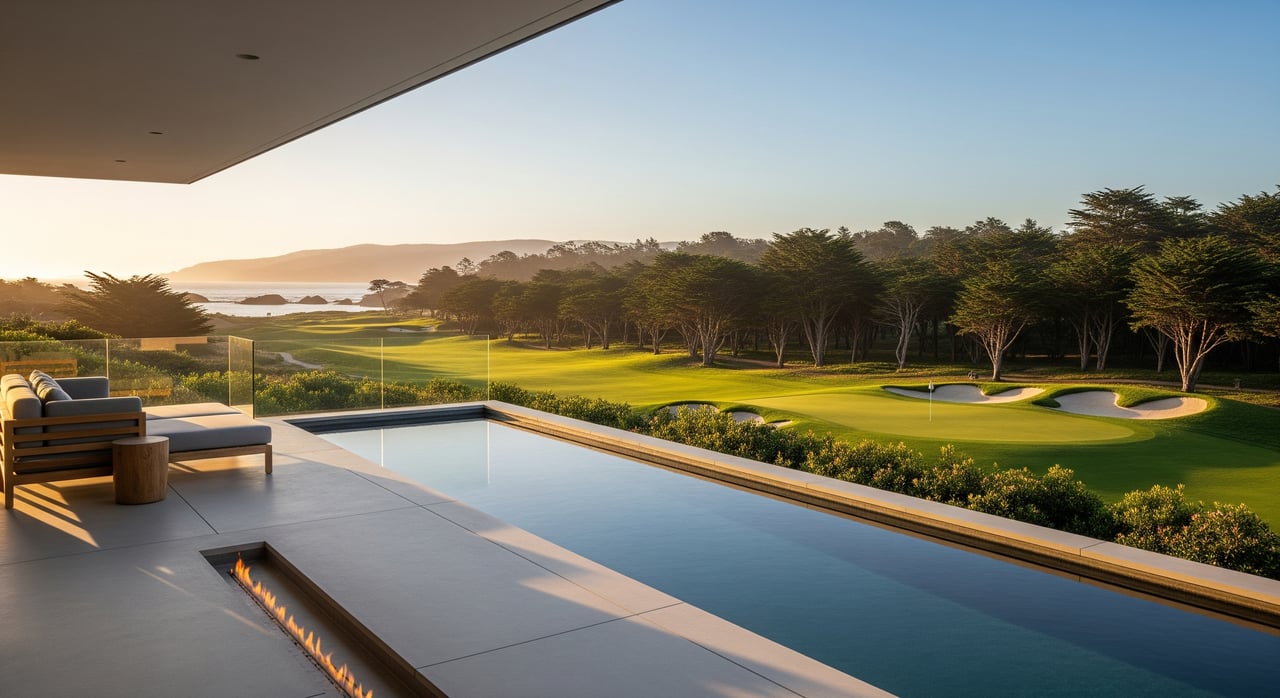
Are you torn between the allure of a fairway panorama and the quiet of a wooded retreat in Pebble Beach? You are not alone. Sellers across the Del Monte Forest face this exact question as they plan pricing and presentation. In this guide, you will learn how outlook, privacy, architecture, and renovation potential influence premiums, and how to position your home for the right buyers. Let’s dive in.
What buyers pay for in Pebble Beach
Pebble Beach and the Del Monte Forest attract high‑net‑worth buyers who value lifestyle, privacy, and quality. Many seek golf connectivity and manicured views, while others prioritize seclusion and a retreat setting under the Monterey pine canopy. Ocean outlooks sit at the top of the broader premium hierarchy, but golf views and forest settings each command strong demand depending on the property and buyer profile.
In this market, pricing reflects more than square footage. Buyers respond to a compelling “hero” asset, thoughtful site design, and confidence about feasibility and ongoing costs. Your strategy should showcase the most valuable feature of your property and support it with clear documentation.
Golf views: value drivers and tradeoffs
A home on or overlooking a fairway can carry a meaningful premium for buyers drawn to the game and the open vistas.
Advantages
- Manicured, open sight lines and fewer immediate neighbors on one side.
- Lifestyle connection with club amenities and course access.
- Marketable imagery that signals prestige and recreation.
Challenges
- Generally priced below ocean views when all else is equal.
- Periodic noise from maintenance or events, plus perceived chemical or pesticide exposure for some buyers.
- Value can be sensitive to course reputation or layout changes over time.
Pricing signals
- Direct fairway frontage, private cart access, and views over greens tend to justify higher pricing within the golf category.
- Architecture and privacy still matter. A well‑designed, private golf‑front estate can outcompete a dated or exposed alternative.
Forest settings: value drivers and tradeoffs
Forest properties in the Del Monte Forest attract buyers who value privacy, shade, and a retreat feel.
Advantages
- Secluded ambiance, quiet setting, and natural beauty.
- Cooler microclimate and opportunities for expansive outdoor living areas.
- Flexibility to design intimate courtyards and shielded entertaining zones.
Challenges
- Fewer “hero” view images if the canopy blocks distant outlooks.
- Wildfire exposure and defensible space requirements that affect insurance and maintenance.
- Tree‑removal limits and design controls that may shape renovation plans.
Pricing signals
- Larger lots, strong setbacks, and elevation changes that protect sightlines support premiums.
- A forest estate with exceptional privacy and notable architecture can trade at or above some golf‑view homes for the right buyer.
Privacy and lot configuration
Privacy is a core premium driver in this market. Lot size, setbacks, topography, and orientation all shape how private the main living areas feel. Thoughtful tree shielding and elevation can achieve seclusion without sacrificing light.
A dramatic view with limited privacy may sell for less than a more secluded property that delivers a sanctuary experience. If your home’s edge is exclusivity, spotlight it with clear visuals and concise descriptions of how the site buffers you from neighbors.
Architecture and layout impact
Architectural pedigree and execution influence price and velocity of sale. Buyers pay for design that fits the site, high‑quality materials, and effortless indoor‑outdoor flow.
- Notable architects, custom craftsmanship, and cohesive design language can push values higher.
- Historic cottages offer charm, though smaller footprints and guidelines may limit price and future changes.
- Contemporary estates with open plans, neutral finishes, and strong outdoor living spaces tend to sell faster.
- Functional needs matter in luxury sales: single‑level living options, elevator access, ample garage capacity, and guest suites increase appeal.
Renovation potential and feasibility
Buyers often pay for the option to customize, but only when the path is realistic. Lot topography, existing structure, zoning, and oversight determine what is achievable.
- Flat or gently sloped lots are generally easier to expand.
- Near the shoreline, coastal development permits and added oversight may apply.
- Tree preservation rules can guide what you can remove or prune, especially in sensitive habitat areas.
- High‑ROI work typically includes kitchens, primary suites, outdoor entertainment areas, improved indoor‑outdoor flow, energy systems, and landscape upgrades with defensible space.
When in doubt, prepare a feasibility summary. Even light documentation helps buyers see the path and reduces uncertainty.
Hazards, insurance, and ongoing costs
Risk and carrying costs influence net willingness to pay. Proactive planning and disclosures help you preserve price.
- Wildfire exposure applies broadly in the Del Monte Forest. Defensible space, ember‑resistant venting, and fuel reduction should be documented.
- Coastal hazards such as bluff erosion and storm surge affect shoreline properties, with added permitting complexity for major shoreline work.
- Flood and tsunami considerations vary by elevation and proximity. Maps and any mitigation planning can help buyers evaluate exposure.
- Insurance availability and premiums may hinge on wildfire and coastal risk. Some buyers and lenders request mitigation plans or recent inspection reports.
How premiums compare in context
Think of outlook and setting as a hierarchy with real‑world overlaps. In general, oceanfront on a bluff with unobstructed views sits at the top, followed by unobstructed ocean views. Premium golf‑front homes, then secluded forest estates, follow. Interior forested lots without major view or privacy advantages usually sit lower.
Important exception: A forest estate with significant acreage, top‑tier architecture, and exceptional privacy can outperform a modest ocean‑view or average golf‑view home. Your pricing should reflect the total package, not just a single attribute.
Building your pricing comps
The sales comparison approach is primary in residential luxury. Start with the closest matches for outlook and then adjust for other features.
When selecting and adjusting comps, consider:
- View quality: oceanfront, ocean view, golf view, partial, none.
- Privacy and seclusion: acreage, canopy, setback, and sightline control.
- Lot size and usable outdoor areas.
- Condition and construction quality: turnkey vs. major project.
- Architecture: pedigree, cohesiveness, and market appeal.
- Outdoor amenities: terraces, pools, private access paths, cart access.
- Club access details: membership inclusion, transferability, or separate costs.
- Hazards and insurance: wildfire mitigation, coastal or flood exposure.
- Access and convenience: proximity to services, restaurants, and regional travel.
For unique estates with limited comparable data, the cost approach can help buyers understand replacement value of high‑end improvements. The income approach is rare here except for short‑term rental‑oriented properties.
Positioning and marketing your hero asset
Great marketing clarifies the property’s core value and supports your price.
- Lead with your hero asset: fairway panorama, ocean outlook, or forest privacy.
- Use high‑quality photography and drone imagery to reveal view corridors and how the site relates to the course, ocean, or canopy.
- Document privacy features such as gated entries, fencing, and tree buffers.
- Be transparent about hazards and mitigations. Provide recent inspections and any engineering or mitigation work to reduce perceived risk.
- Clarify membership status and access rights for any club amenities.
Seller checklist: golf vs. forest
Use this simple framework to evaluate your property before you set price or invest in updates.
- What is the primary hero asset: ocean, fairway, or forest privacy?
- How do lot size, setbacks, and elevation protect privacy and view corridors?
- Condition and scope: turnkey, light updates, or major renovation?
- Membership and access: what is included, required, or transferable?
- Hazards and mitigation: defensible space, coastal or flood exposure, and available documentation.
- Regulatory context: design review boards, CC&Rs, tree protections, easements, and whether Coastal Commission oversight may apply.
- Insurance and financing: recent insurance quotes, lender considerations, and any special underwriting needs.
What to prepare for buyers
Save time, build trust, and support your price with a tidy information set.
- Recent pest and structural inspections.
- Wildfire mitigation records and defensible space documentation.
- Site plan, topographic survey, and any approved tree removal permits.
- Membership or club documents and any transfer details.
- Disclosures on hazards, maintenance, and improvements.
Bottom line
In Pebble Beach, pricing is not a simple view vs. no‑view equation. Golf‑front properties and forest estates both command strong demand when they deliver the right mix of outlook, privacy, architecture, and feasibility. The best strategy focuses buyers on your hero asset, answers risk questions up front, and uses comps from the same outlook category with disciplined adjustments.
If you want a pricing plan that reflects today’s buyer preferences and the realities of permitting, insurance, and marketing, let’s talk. Request a Home Valuation from Breakwater Properties and get an integrated plan to prepare, position, and sell with confidence.
FAQs
In Pebble Beach, does golf frontage always beat forest privacy on price?
- Not always; golf frontage is valuable for open views and lifestyle, but some buyers will pay more for a secluded forest estate with acreage and strong architecture.
Do ocean views always command higher prices than golf views here?
- Generally yes, ocean views tend to carry higher premiums, though a superior golf‑front estate can outperform a modest ocean‑view home.
Should I renovate to boost a fairway or forest outlook before listing?
- Focus on cost‑effective updates that enhance the hero asset, like opening sightlines and creating outdoor terraces, and avoid heavy projects that do not improve perceived value.
How do wildfire exposure and insurance concerns affect Del Monte Forest pricing?
- Impacts vary; document defensible space and recent insurance details to reduce perceived risk and support your price.
What documents help Pebble Beach buyers move faster and pay more confidently?
- Provide inspections, mitigation records, site and tree permits, and club access documents to address feasibility and risk early.
How do appraisers handle unique luxury estates in Pebble Beach?
- The sales comparison approach leads; when comps are limited, the cost approach can help frame the value of high‑end improvements.