Ever wonder what it really feels like to live in a one‑square‑mile coastal village where you can grab coffee, browse galleries, and hit the beach without getting in your car? If Carmel‑by‑the‑Sea is on your shortlist, you likely value charm, convenience, and a slower pace that still delivers world‑class scenery. In this guide, you’ll learn how daily life flows here, from walkability and beaches to seasons, home styles, and the rules that matter if you plan to buy. Let’s dive in.
The village feel and scale
Carmel‑by‑the‑Sea is an incorporated city of roughly one square mile with a compact commercial core along Ocean Avenue and residential streets tucked under coastal trees. The city promotes itself as a “village in a forest,” with intimate courtyards, small independent shops, and human‑scaled streets that encourage strolling rather than driving. You will feel that scale as soon as you park and start walking. The city’s overview captures this character clearly.
You’ll also notice civic quirks that come with preserving village charm: some residential blocks have limited sidewalks and minimal street lighting. The post office has long been a local hub, reflecting how closely knit the town feels.
Walkable core, car‑light days
If you prioritize “park once” living, focus on the village core. Daily errands, coffee, galleries, and dinner are clustered within a short walk of Ocean Avenue and the streets just off it. Outlying pockets like Carmel Point and the hills above the village are still close but often lead to more short drives for errands.
A simple rule of thumb: the closer you are to Ocean Avenue and Scenic Road, the more your day runs on foot. Farther out, you still enjoy quick access, just with more short hops by car.
Beach life at your doorstep
Carmel Beach sits right at the foot of Ocean Avenue. Mornings start with fog lifting off a wide crescent of white sand and a stroll on the Scenic Road bluff path. Weekends can fill fast at the access points, so locals tend to go early for the easiest parking and a quieter walk.
Carmel is notably dog‑friendly. Dogs are allowed off‑leash on Carmel Beach as long as they are under voice control, and the town provides waste‑bag stations at multiple entries. If that is part of your daily routine, it is a meaningful perk. You can review the specifics in the city’s dog‑friendly beach guidance.
For bigger nature days, Point Lobos State Natural Reserve is about three miles south and is widely considered the Peninsula’s signature day‑use park. Expect limited parking, protected trails, and no dogs in the reserve. Plan early arrivals when possible. Check current conditions on the official Point Lobos page.
Seasons and daily rhythm
The climate is mild and coastal, with summer marine layers and the warmest, sunniest days often arriving in September and October. Visitor traffic peaks in summer, then eases during shoulder seasons when many locals and second‑home owners prefer to enjoy the village. For a high‑level snapshot of climate and population context, see the Carmel‑by‑the‑Sea summary.
Homes and architecture you’ll see
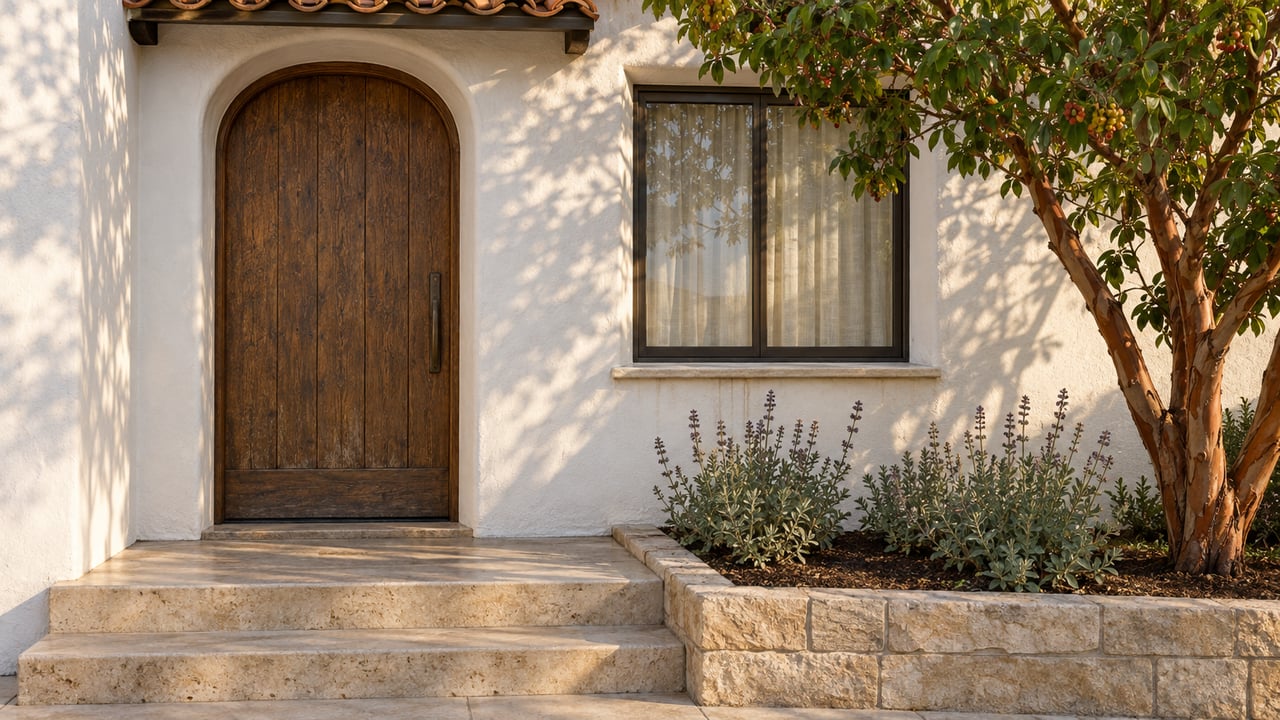
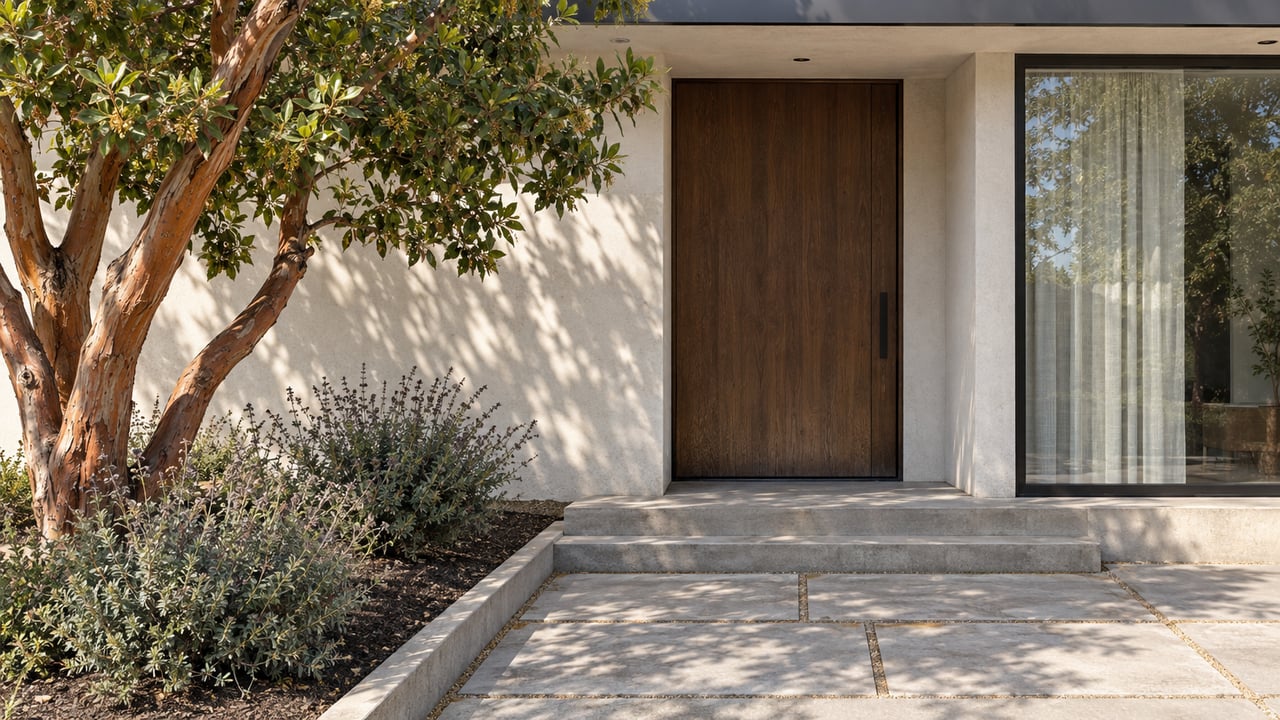
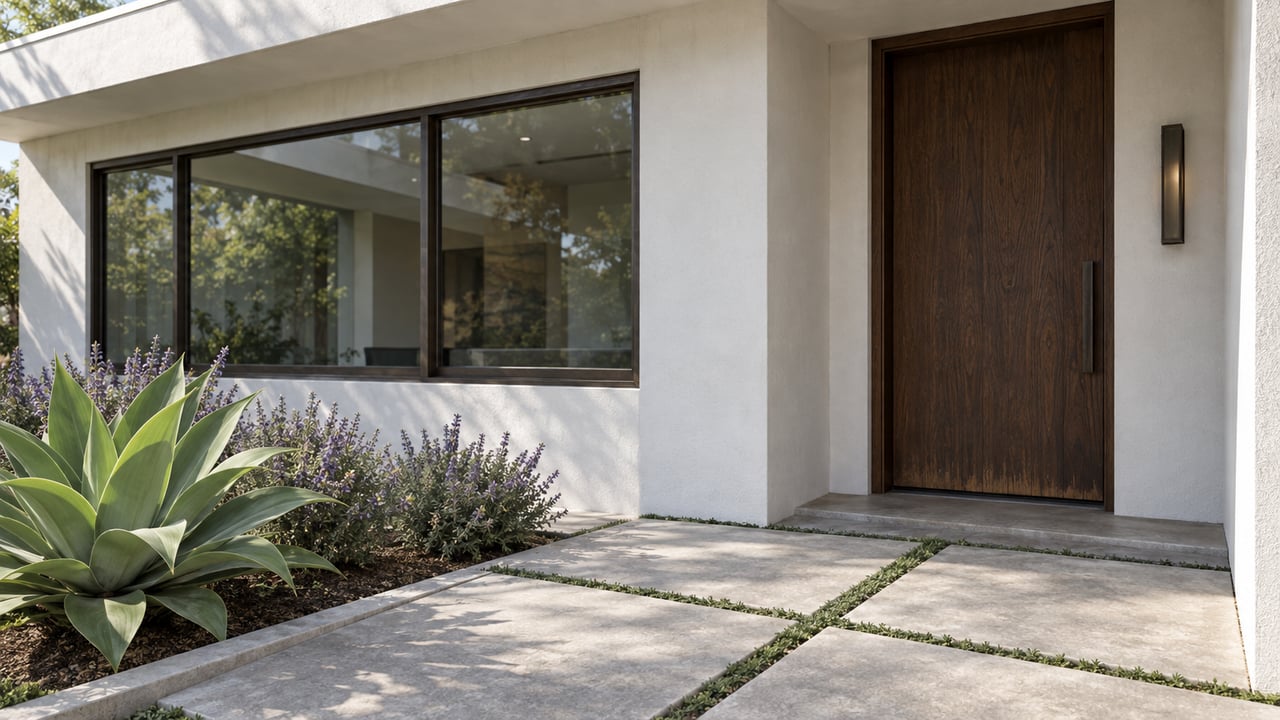
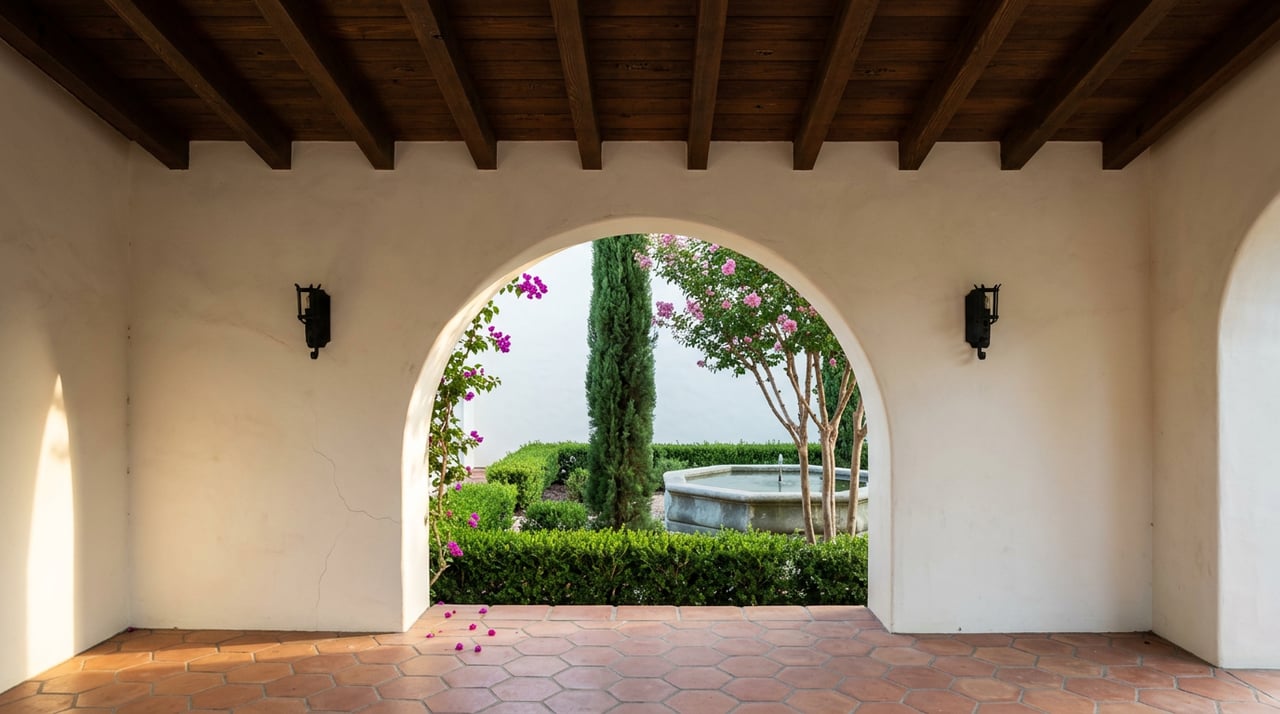
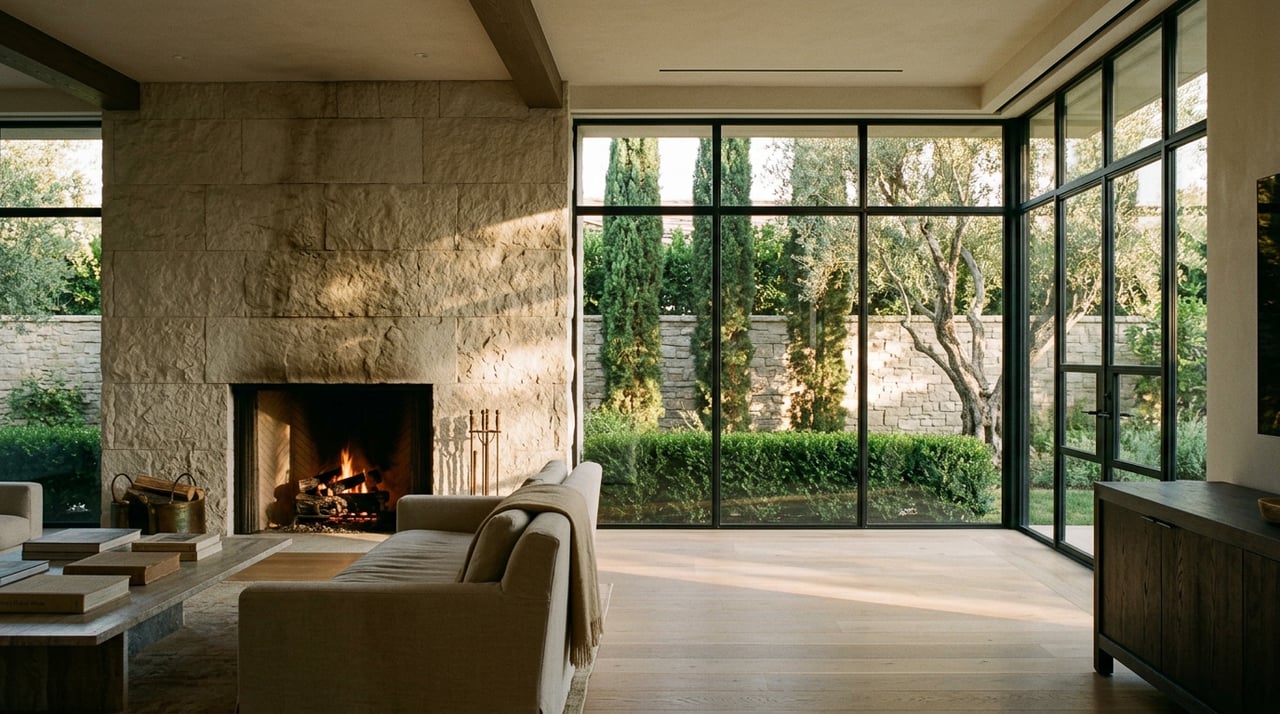
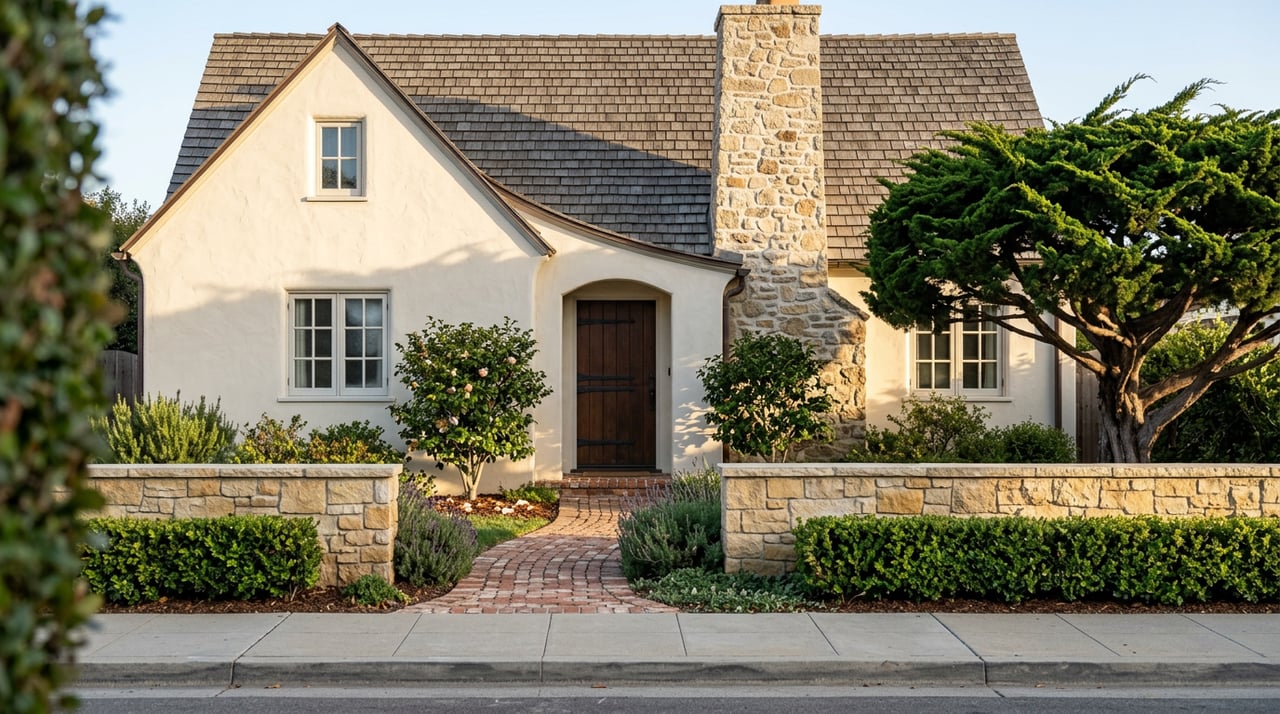
Carmel’s storybook image is real. In and around the village, you’ll find the famous fairytale cottages associated with Hugh Comstock, along with small Tudor‑inspired buildings and intimate garden courts. As you move up the hillsides and toward Carmel Point, larger custom homes appear, including Spanish‑influenced designs, craftsman builds, and contemporary ocean‑view properties. If you want a feel for the cottage tradition, explore the town’s fairytale cottage highlights.
Because the city values scale and heritage, remodels and new construction often receive close review to protect trees, neighborhood character, and sightlines. That helps preserve Carmel’s look and feel, but it also adds steps to the design and permitting process. More on that below.
Ownership rules that matter
Buying in Carmel means understanding a few core rules that shape how you can use your property.
Short‑term rentals
Carmel has a long history of limiting transient, hotel‑like use of homes in residential zones. Renting for fewer than 30 consecutive days is generally prohibited in the city’s residential areas, and enforcement is active. The city’s authority to limit short‑term rentals has been upheld in court, as seen in Ewing v. City of Carmel‑by‑the‑Sea. If you are evaluating a home with rental income in mind, verify the property’s zoning, any grandfathered status, and current rules with the planning department.
If you are exploring areas just outside city limits, know that Monterey County has its own evolving short‑term rental rules and permitting pathways. Start with the county’s short‑term rental guidance and confirm the latest requirements before you buy.
Design review, trees, and timelines
Carmel’s planning framework emphasizes preservation of scale and visual character. Expect architectural review, attention to tree protection, setbacks, and discretionary review for additions or new homes. These controls keep the built environment stable and cohesive, but they can lengthen timelines for substantial remodels or new construction. For context, review the city’s housing and planning documents, such as the 6th Cycle Housing Element.
The address update
For years, Carmel was known for limited use of standardized street addresses, a quirk tied to village tradition. In recent council cycles, the city moved to assign consistent street numbers to improve emergency response, navigation, and deliveries. This shift has been covered in regional news, including the Los Angeles Times’ reporting on house numbering. If you are buying, ask how the address update will affect mail, deliveries, and insurance records for the specific property.
Daily logistics: getting here and around
Carmel is about a two‑hour drive south of San Francisco in normal conditions, and often closer if you are coming from San Jose. Monterey Regional Airport (MRY) is the nearest commercial airport with regional flights. For planning basics, the visitor bureau’s facts at a glance is a useful reference.
Inside the village, most trips are on foot, by local shuttle, or quick drives. Regional bus service is available through Monterey‑Salinas Transit, and the city coordinates on connectivity. If public transit access is important for you, review MST routes for your preferred neighborhood.
Peak visitor weekends bring heavier traffic and tight parking near the beach and downtown. Mid‑August’s Monterey Car Week and mid‑July’s Carmel Bach Festival are two recurring periods when the broader Peninsula gets busy. Plan errands and dinner reservations accordingly.
A day in the life
- Morning: Walk to a bakery for coffee, then wander a couple of gallery courtyards as the village wakes up. Head down Ocean Avenue for a beach stroll on the Scenic Road path. If you have a dog, this routine becomes a daily ritual.
- Midday: Lunch in a garden courtyard, then drive a few minutes to Point Lobos for a short hike and Pacific views. Go early if it is a weekend, or choose a quieter midweek window.
- Afternoon: Read on a patio at home or visit a nearby tasting room in Carmel Valley for a change of scenery. Back in the village, run errands on foot.
- Evening: Sunset at the beach, then dinner in town. Carmel’s dining scene favors small, independent restaurants and includes a Michelin‑listed option like Aubergine. Reservations help on summer weekends.
Who thrives here
Carmel‑by‑the‑Sea has a small permanent population and a notable share of second‑home and seasonal owners. That mix creates a calm weekday rhythm, livelier weekends, and a high degree of pride in maintaining the village’s look and feel. If you value a walkable core, easy beach access, and a lock‑and‑leave lifestyle, this setting tends to fit well. If you want larger lots, garages with extensive storage, or newer tract‑style neighborhoods, you may prefer nearby areas outside the city grid.
Buyer checklist: what to confirm
Before you write an offer, take a practical approach to due diligence:
- Verify short‑term rental status and zoning for the specific property. Ask about any past permits or grandfathered use if relevant. Review the legal precedent on STR limits and, for properties outside city limits, the county’s short‑term rental program.
- Meet with the city planning department on remodel feasibility, tree protections, and likely review timelines. The Housing Element outlines the city’s preservation priorities.
- Ask how the house‑numbering update affects the property’s official address, mail, deliveries, insurance, and emergency access.
- Test your daily routes on foot. Walk to Ocean Avenue, the post office, and your preferred beach access to understand your true commute on busy weekends.
- Visit at different times of year. Experience summer crowds, then return in September or October to see shoulder‑season weather and pace.
Ready to explore Carmel‑by‑the‑Sea?
When you are considering a high‑value coastal property, you want one accountable partner who understands both the market and the operational realities of ownership. At Breakwater Properties, you get founder‑led brokerage with integrated services that cover buyer and seller representation, leasing and tenant placement, property management, and practical advisory on feasibility and entitlements. If you are weighing a move or a second home in Carmel‑by‑the‑Sea, we can help you evaluate options, plan renovations, and understand local rules before you commit. Request a Home Valuation to start a clear, data‑backed conversation.
FAQs
Is Carmel‑by‑the‑Sea walkable for daily errands?
- The village core around Ocean Avenue is very pedestrian friendly, so most dining, galleries, and simple errands are an easy walk, while outlying pockets often require short drives.
What are the short‑term rental rules inside Carmel‑by‑the‑Sea?
- Renting for fewer than 30 consecutive days is generally prohibited in residential zones, and the city enforces those rules; confirm details with planning and review the Ewing v. Carmel‑by‑the‑Sea case for background.
Are dogs allowed on Carmel Beach, and what should I know?
- Yes, dogs may be off‑leash on Carmel Beach under voice control, and the city provides waste‑bag stations; review the official dog‑friendly beach rules before you go.
What is the climate like in Carmel‑by‑the‑Sea throughout the year?
- Expect mild coastal weather with summer marine layers and the warmest, sunniest stretch often in September and October, plus heavier visitor traffic in summer.
How hard is it to remodel or build in Carmel‑by‑the‑Sea?
- Plan for preservation‑focused review, including tree protections and design oversight; timelines can lengthen, so discuss scope early with the city and consult the Housing Element.
How do crowds and events affect daily life in peak season?
- Summer weekends, Monterey Car Week in mid‑August, and the Carmel Bach Festival in mid‑July bring more visitors, which means earlier beach walks, dinner reservations, and a little more patience for parking.