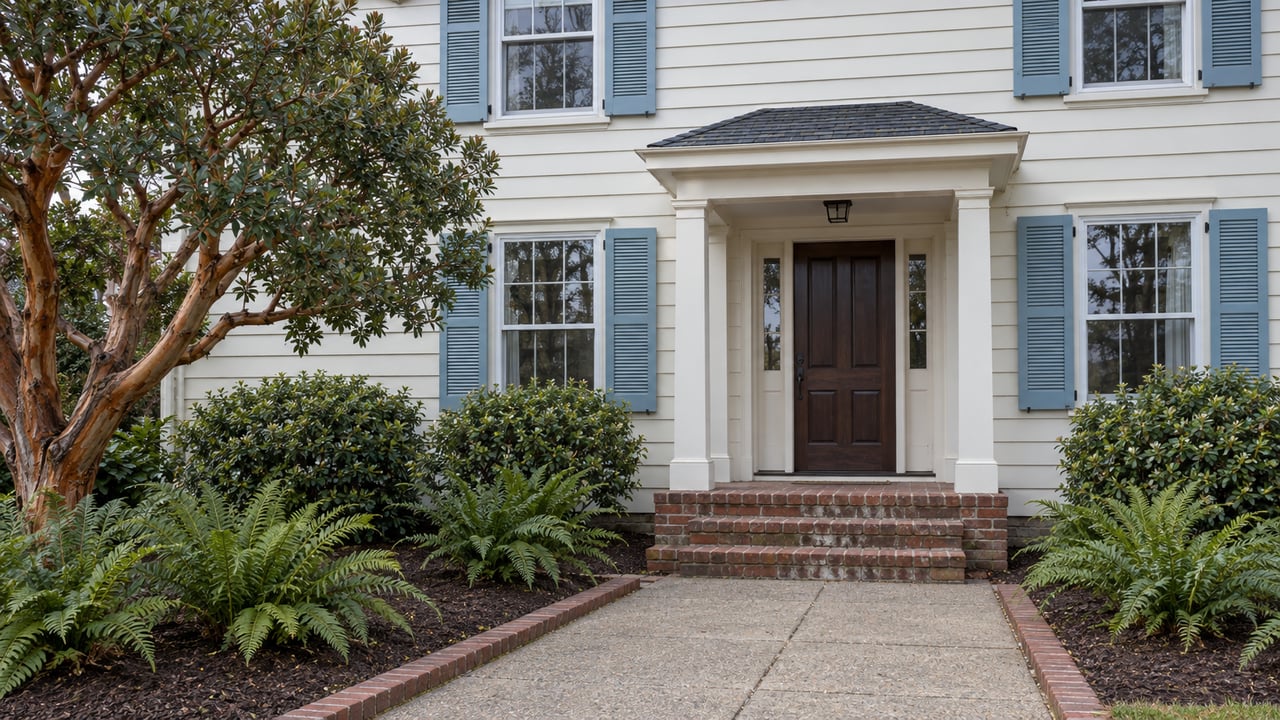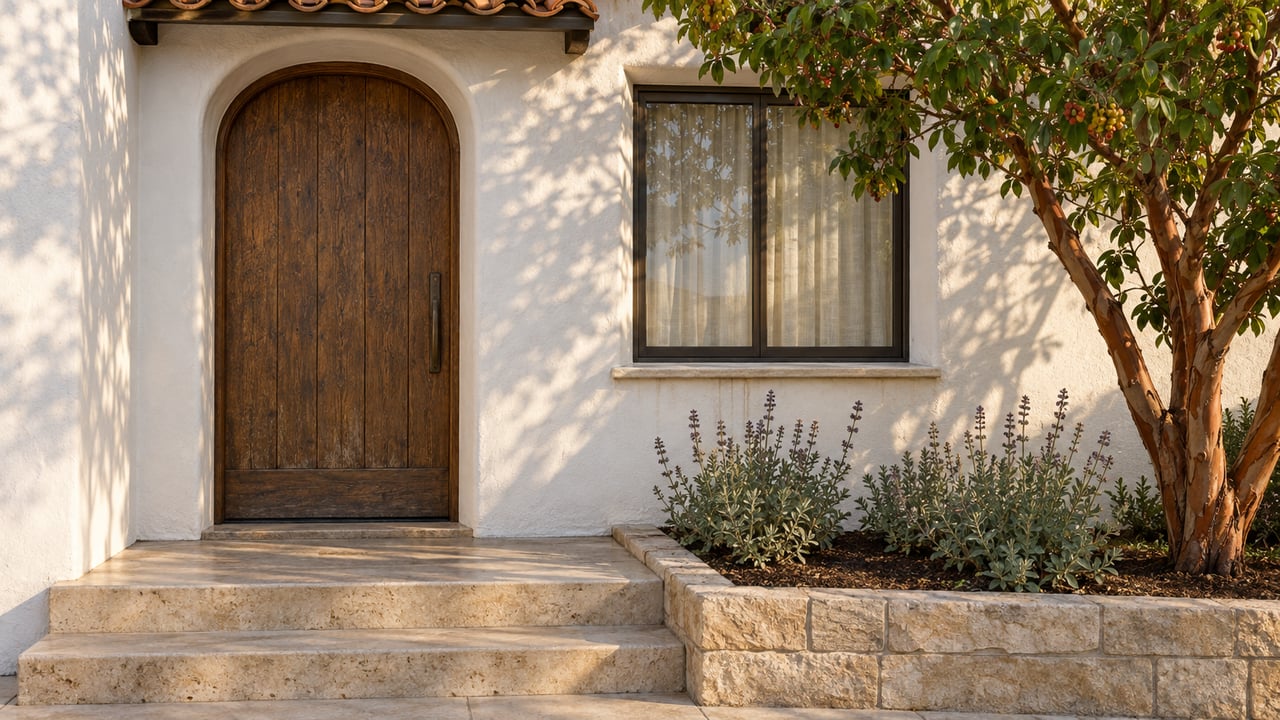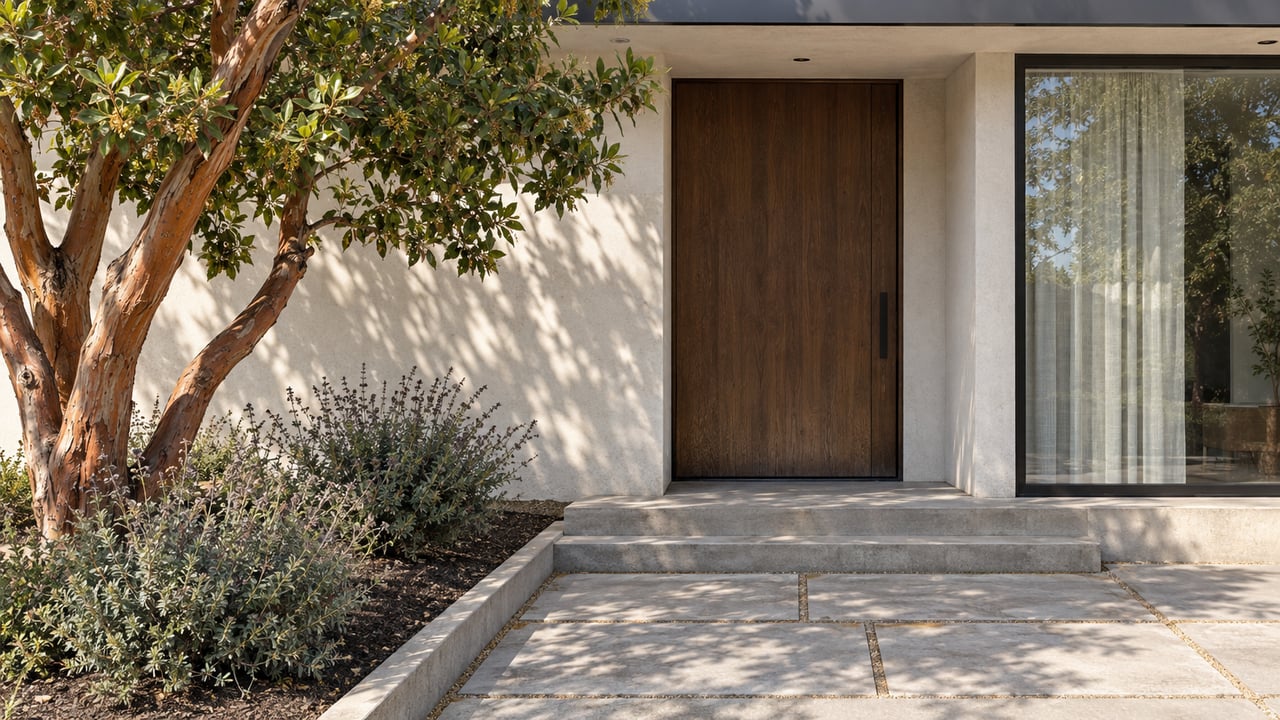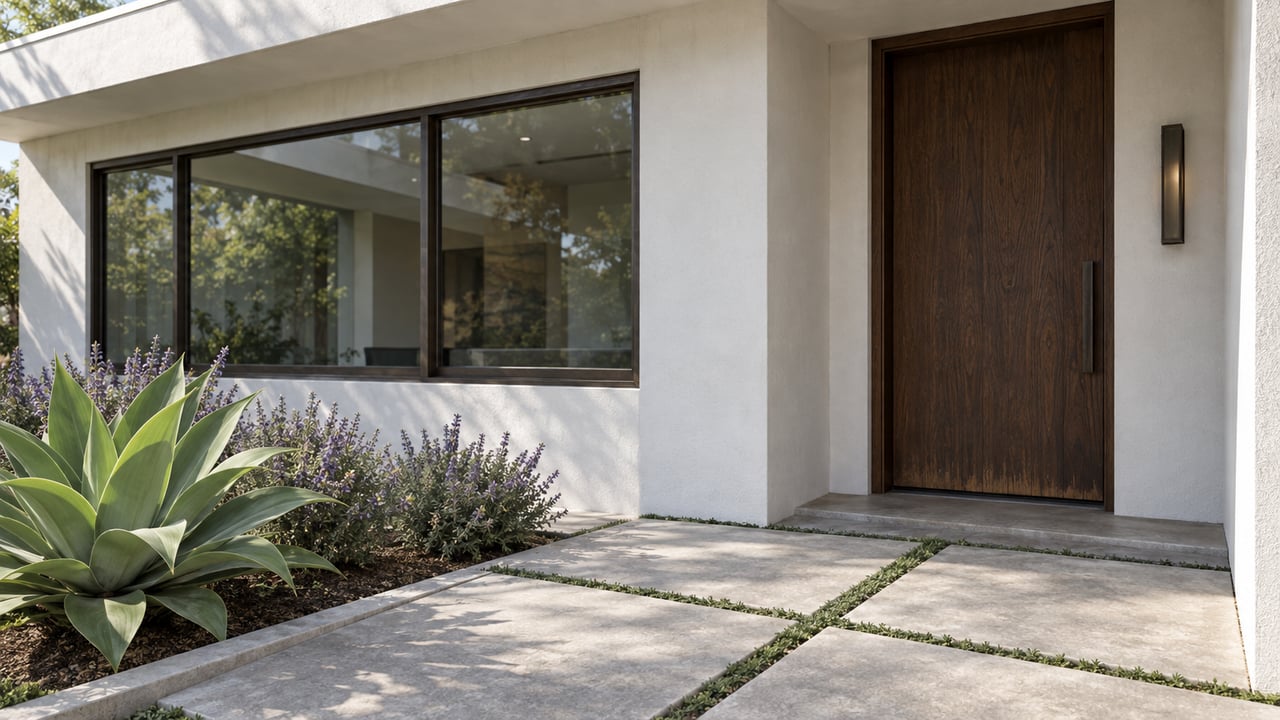
If you have ever looked at two Carmel-by-the-Sea homes with similar square footage and wondered why their values are miles apart, you are not alone. In this market, price is shaped by much more than bedroom count or interior finishes. When you understand how location, site constraints, architecture, and review rules work together, you can read values more clearly and make better decisions. Let’s dive in.
Why Carmel values work differently
Carmel-by-the-Sea is a small, high-priced coastal market with limited sales volume, and that alone changes how values behave. Recent snapshots show wide variation by source, including a median sale price of $3.5 million over the three months ending April 2026 from Redfin, a March 2026 median sale price of $2.757 million from Zillow, and a March 2026 median listing price of $4.375 million from Realtor.com.
Those numbers are useful for context, but they are not interchangeable. They reflect different slices of the market, and in a place with relatively few transactions, one notable sale can shift the picture quickly. That is why broad averages matter less here than property-specific factors.
Carmel also has an unusual property-identification system. Instead of conventional street addresses, homes are often identified by descriptive location and parcel references, which makes block-by-block analysis especially important. In practice, very small differences in siting, frontage, and orientation can show up more clearly in pricing than they might in a more uniform city.
Location drives the first premium
In Carmel, location is still the starting point for value, but “location” here means something highly specific. The city’s planning framework places strong emphasis on coastal access, coastal-resource protection, and preservation of community character. That helps explain why proximity to the beach, relationship to the village, and the feel of a particular setting can have such an outsized effect on pricing.
A home near Carmel Beach does not compete the same way as one farther inland, even if the floor plan is similar. Access to the shoreline, a stronger coastal setting, and placement within the village street grid can all support a premium. These are not generic coastal-market talking points. They reflect the city’s own land-use priorities and the way buyers tend to experience Carmel on the ground.
Just as important, Carmel is not one uniform market. Micro-areas carry their own appeal based on terrain, privacy, views, and surrounding character.
Why micro-areas matter
Named areas such as Carmel Point, Hatton Fields, and Carmel Woods help show why values are so localized. City historic materials identify Carmel Point as part of the shoreline area, Hatton Fields as an area associated with period-revival buildings and rolling terrain, and Carmel Woods as an area opened for development in the 1920s.
That does not mean each area follows one simple price pattern. It means buyers often respond to a blend of factors that can change from one pocket to the next, including beach access, village access, tree cover, view corridors, privacy, and the era of the surrounding streetscape. In Carmel, a few blocks can make a meaningful difference.
Site potential can outweigh size
One of the biggest value drivers in Carmel is not what is already built, but what the site can realistically support. The city’s planning rules make lot size, slope, shape, and site coverage critical to value.
The base floor area handout shows how much this can matter. A typical 4,000-square-foot lot has a base floor area of 1,800 square feet, while a 6,000-square-foot lot rises to 2,460 square feet and a 10,000-square-foot lot rises to 3,300 square feet. That increase is meaningful, but it is not always straightforward because other constraints can reduce what is actually achievable.
Slope is one of the biggest examples. When a site is steeper than 30 percent, the maximum base floor area is reduced by 2 percent for each 1 percent of slope above 30 percent, up to a 50 percent reduction. So a parcel that looks attractive on paper may have much less practical building capacity than a flatter lot nearby.
Outdoor improvements count too
In Carmel, site coverage is defined broadly. It can include patios, walkways, driveways, decks, steps, decomposed granite, gravel, trash enclosures, and hot tubs. That means outdoor features can use up development capacity that a buyer might otherwise assume is available for expansion or redesign.
Setbacks can add another layer of complexity because they depend on zoning, lot size, and lot shape. The Planning Division also notes that significant trees, unusual lot configurations, and steep slopes can keep a property from achieving its theoretical maximum floor area. In other words, not every lot can fully use the number suggested by a simple chart.
This is why two homes with similar interiors may not carry similar values. A smaller cottage on a more flexible site can be more desirable than a larger home on a constrained parcel if the first property offers better long-term options.
Architecture has real pricing power
Carmel is not a market where style is just cosmetic. Architecture affects buyer appeal, review risk, and renovation potential, all of which influence value.
The city’s historic context statement notes that the Arts and Crafts movement permeates Carmel’s built environment and that by the 1940s the village was known for the uniqueness of its building stock. It also identifies significance in homes that reflect Carmel’s architectural chronology, individualistic design culture, or the work of a master builder or architect, especially when integrity remains substantially intact.
The city’s residential design guidelines reinforce a clear aesthetic direction. They favor simple building forms, horizontal emphasis, and roof forms made of only a few simple planes. The concept-review guidance also encourages designs that follow the natural contours of the site and minimize excavation and fill.
Fit matters more than flash
That framework helps explain why a home that feels native to Carmel often performs better than one that appears oversized or out of scale with its setting. Buyers are not only paying for beauty. They are also pricing in how well a property already aligns with local expectations.
A house that fits Carmel’s low-profile cottage tradition may face fewer hurdles for thoughtful updates than a home whose design pushes against the city’s standards. That can affect both present-day marketability and the next owner’s future flexibility.
Condition is tied to permitability
In many markets, condition is mostly about finishes and maintenance. In Carmel, condition also intersects with design review and historic review, which can materially affect value.
The Planning Division states that most exterior alterations and site-coverage changes require approval. If a property is more than 50 years old, it may also require a historic evaluation before exterior alterations. Historic structures cannot be demolished, and additions or alterations must be consistent with the Secretary of the Interior’s Standards.
Materials and design details matter as well. The city reviews windows, materials, and placement, and the Planning Division says vinyl windows are not appropriate. So the question is not only whether a home has been remodeled, but whether the work is coherent, permitted, and likely to support future improvements without unnecessary friction.
Why well-matched updates matter
A well-kept home that already fits Carmel’s design language can have an advantage over a similar home with updates that do not align with local review standards. Buyers often understand that future work may require time, redesign, or added cost.
That is why value here is partly about ease. A property that combines good condition with architectural consistency can be more attractive than one that looks polished at first glance but creates complications later.
How to read comps in Carmel
Because the market is small and varied, citywide medians should be treated as background information, not direct pricing tools. A recent Redfin example shows how a 1,233-square-foot home sold for $3.5 million after 43 days on market, about 3 percent under list. That sale is a reminder that in Carmel, a relatively small home in a strong setting can still command a luxury price.
For buyers and sellers, the better approach is to look at value in layers. Start with location, then move to site potential, then architectural fit, then condition and permitability. That sequence is consistent with the city’s planning framework and with how this market behaves in practice.
A practical Carmel comp checklist
When you evaluate a list price or recent sale in Carmel-by-the-Sea, ask:
- Is the property close to the beach or the main village street grid?
- How does the micro-location compare block by block?
- Is the lot underbuilt, fully used, or constrained by slope, trees, or shape?
- How much site coverage has already been consumed by outdoor improvements?
- Does the architecture align with Carmel’s established scale and character?
- Is the home over 50 years old, and if so, could historic review affect future plans?
- Does the condition support easy stewardship, or might future work face review challenges?
- How thin was the recent inventory around that immediate area?
These questions usually tell you more than headline price-per-square-foot figures. In Carmel, the right comp is often the one that looks most similar in constraints and context, not just in size.
What this means for buyers and sellers
If you are buying in Carmel-by-the-Sea, it helps to look beyond finishes and ask what you are really acquiring. You are buying a location within a very specific coastal village, a site with a certain level of flexibility, and a home that may be easier or harder to adapt over time.
If you are selling, it is worth understanding that your property’s strongest value story may not be obvious from square footage alone. A well-sited lot, an underutilized parcel, coherent architecture, or a property that already fits the city’s review framework can all strengthen pricing when presented clearly and compared properly.
That is where local, property-level analysis matters most. In a market this nuanced, broad averages are only the starting point. Accurate pricing comes from understanding the layers that truly drive value in Carmel.
If you want a more precise read on how your Carmel-by-the-Sea property fits this market, Breakwater Properties can help you evaluate location, site potential, architectural fit, and pricing strategy with a practical, local lens.
FAQs
What affects home values most in Carmel-by-the-Sea?
- In Carmel-by-the-Sea, home values are often driven first by micro-location, then by site potential, architectural fit, and condition, especially where design review or historic review may affect future changes.
Why are Carmel-by-the-Sea comps harder to compare?
- Carmel-by-the-Sea comps are harder to compare because the market is small, sales volume is thin, homes vary widely by site and style, and even a few blocks or a different lot orientation can meaningfully change value.
Does lot size matter in Carmel-by-the-Sea home values?
- Yes. In Carmel-by-the-Sea, lot size can strongly affect allowable floor area and site coverage, but slope, trees, lot shape, and setbacks can also reduce what is realistically buildable.
How does historic review affect a Carmel-by-the-Sea home?
- Historic review can affect a Carmel-by-the-Sea home because properties over 50 years old may need evaluation before exterior changes, and historic structures cannot be demolished.
Do remodeled homes always sell for more in Carmel-by-the-Sea?
- No. In Carmel-by-the-Sea, remodeled homes may earn a premium when the work is permitted, coherent, and aligned with local design expectations, but updates that create review issues may not add value the same way.